
Modern Pilates: What It Is (and How It’s Different From Traditional Pilates)
Everyone is rethinking fitness right now. People don’t want workouts for aesthetics. They want results that matter – and instruction that actually gets them stronger. That’s what modern fitness is all about: intentional progression, clear guidance, and meeting your body where it is.
Pilates has followed that same evolution. What used to be a slower, more abstract practice has become something more dynamic and science-informed. While it kept the foundational principles Joseph Pilates created, it reimagined how they translate to real bodies and real goals.
In this article, we’ll break down what modern Pilates actually is, how it differs from Classical Pilates, and why this distinction matters.
What “Modern Pilates” Means at BE Fit Modern Pilates
Modern Pilates takes the foundational principles Joseph Pilates established, such as control, breath, alignment, and applies them through a lens of progression, specificity, and functional movement.
At BE Fit, that translates to:
- Strength and mobility developed together, not isolated from each other
- Progression built into the programming so your body continues to adapt and improve
- Instruction scaled to different levels, from beginner to advanced, without diluting the work
- Balanced approach that supports posture, joint health, and how your body moves in daily life
Modern Pilates vs. Other Pilates Styles: What’s the Difference?
You might hear Pilates described different ways depending on where you train. Some studios offer mat classes. Others focus on reformers. Many teach classical sequences. At BE Fit, modern Pilates gives you something different: a system built for actual progression, not just repetition, with tangible results.
To understand why that matters, it helps to see how modern Pilates stacks up against other formats and approaches.
Pilates Formats: Mat vs. Reformer
Mat Pilates relies on bodyweight and gravity for resistance. It builds core control and body awareness, but scaling intensity and modifying for different bodies can be challenging. Movements that stress the wrists, neck, or low back are difficult to adapt without props. Progression often requires an instructor who expertly integrates resistance tools.
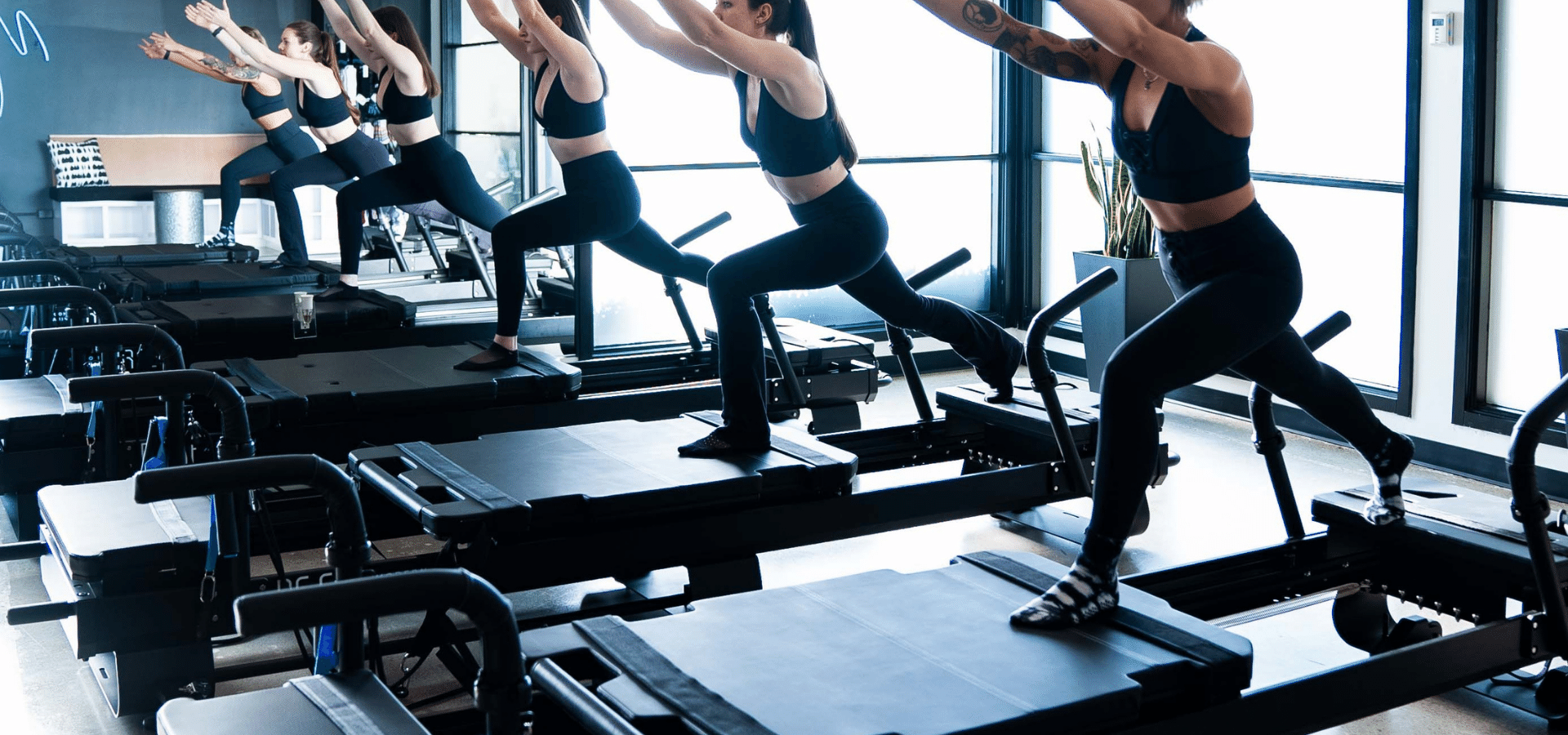
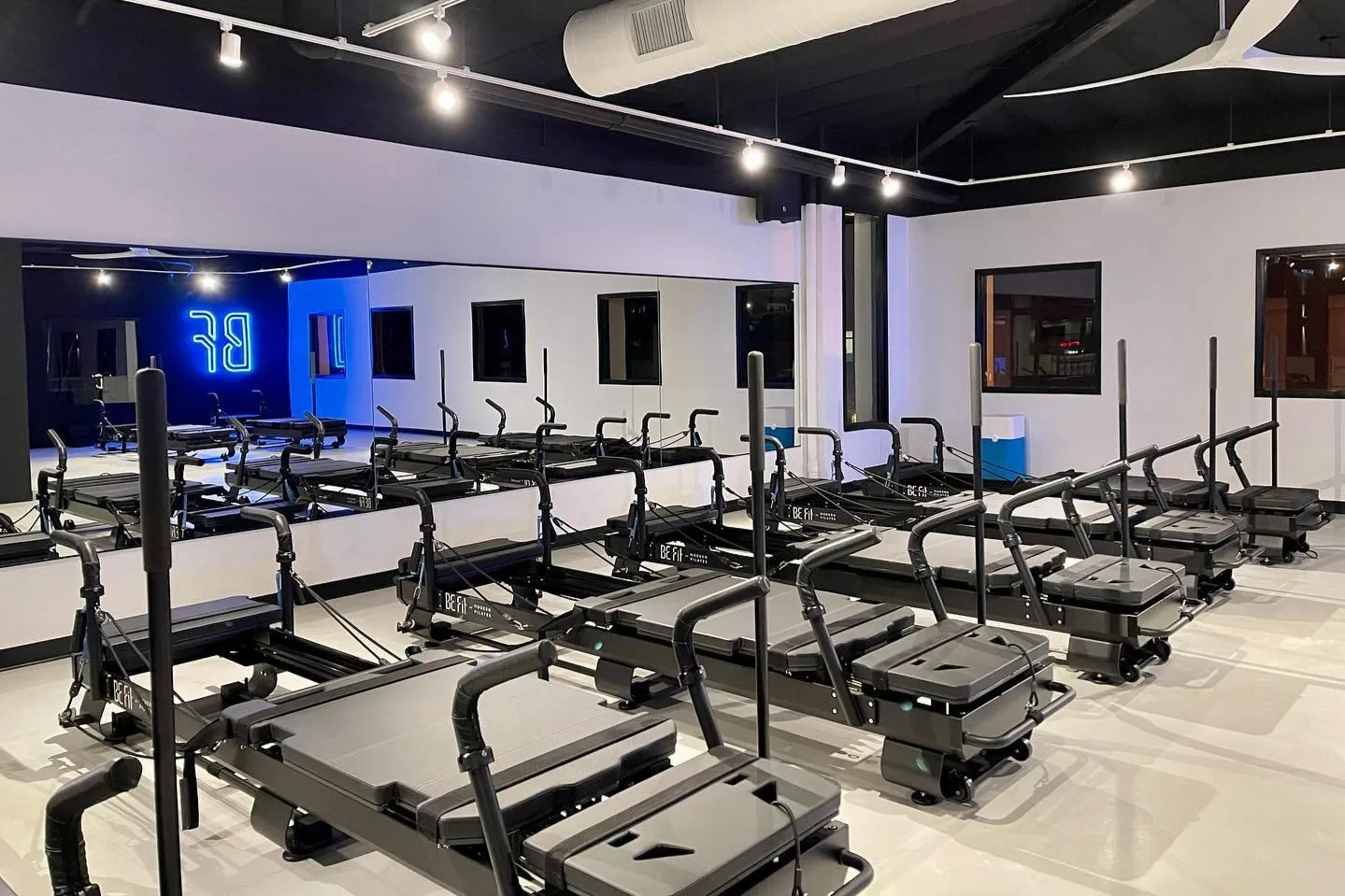
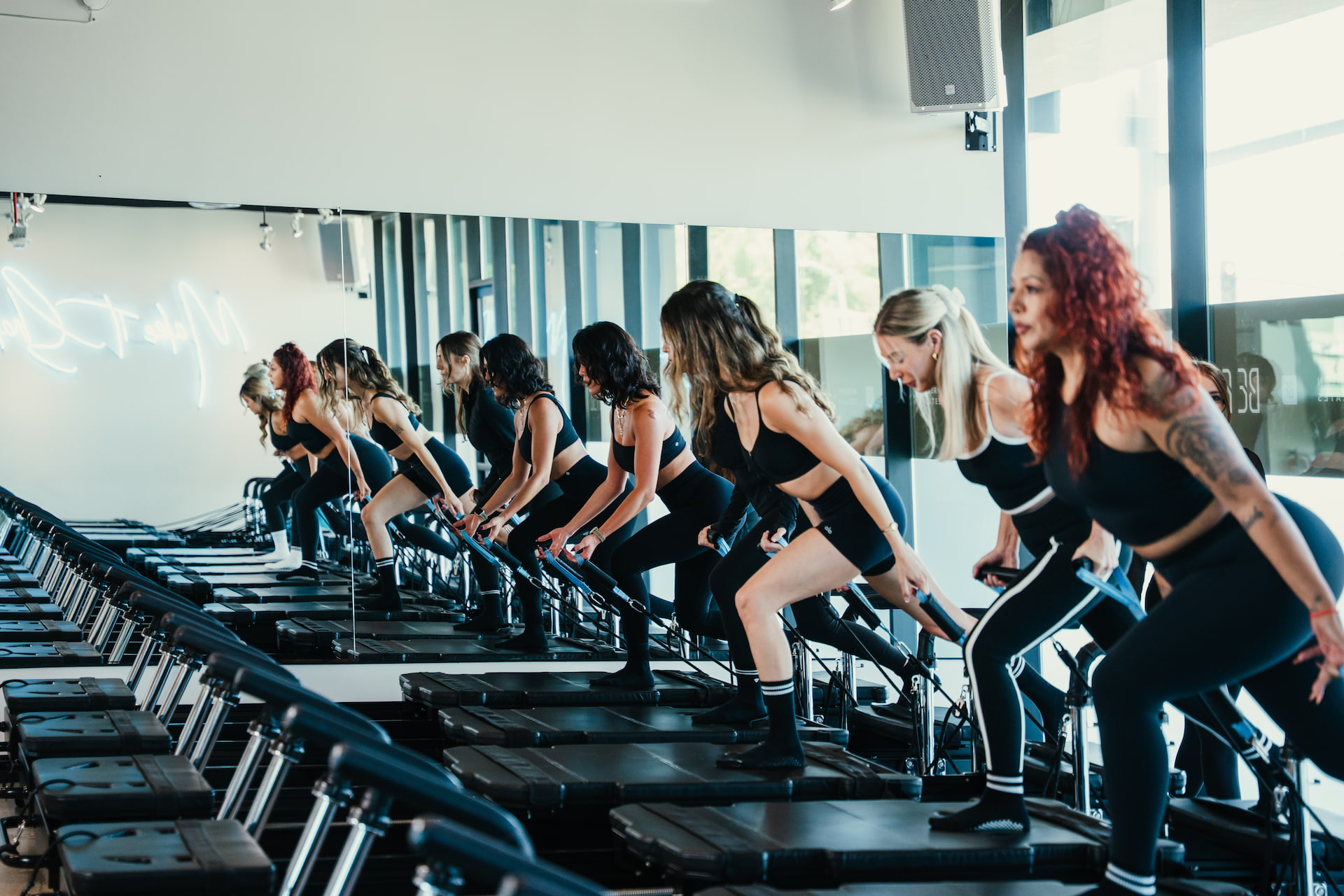
At a modern pilates studio like BE Fit, the XFormer approach offers something different. Reformer Pilates uses a machine with springs, straps, and platforms. This allows more ways to scale resistance, modify movements, and target specific muscle groups. The equipment can assist you while you learn form or provide added challenge as you progress. It’s typically more accessible for people managing joint issues or needing specific modifications and allows a mechanism to continually challenge.
| Aspect | Mat Pilates | Reformer Pilates |
| Resistance | Bodyweight only | Springs, straps, equipment |
| Scaling | Limited without props | Multiple progression options |
| Modifications | Can be challenging | Built into the machine |
| Joint-friendly | Depends on movements | Generally more adaptable |
| Progression | Requires creative cueing | Naturally built-in |
Pilates Approaches: Classical vs. Modern
Classical Pilates follows a standardized sequence of exercises in a specific order. The choreography and transitions are fixed, which creates consistency and appeals to people who value structure and tradition. Modifications exist, but they’re secondary to the established method.
Modern Pilates keeps the foundational principles but allows flexibility in programming and exercise selection. Progression is built into the design and cueing reflects current exercise. It’s goal-driven and structured around strength, posture, athletic support, and longevity, rather than adherence to a fixed sequence.
| Aspect | Classical Pilates | Modern Pilates |
| Programming | Fixed sequence | Flexible, goal-based |
| Philosophy | Method purity | Principles + progression |
| Modifications | Secondary to method | Central to design |
| Cueing | Traditional | Contemporary, science-informed |
| Progression | Structured but limited | Built-in and intentional |
| Best for | Tradition-focused practitioners | Results and personalization |
Benefits of Modern Pilates (Why People Choose It)
Modern Pilates attracts people who want measurable results without sacrificing their joints. The benefits show up quickly, in how you feel, how you move, and how your body performs in real life.
The benefits you’ll enjoy when joining a modern Pilates program include:
- Stronger Core: You develop deep stability that translates to easier movement in everyday life and better resilience as you age.
- Better Posture and Alignment: Less back and neck tension, more confidence in how you carry yourself, and a presence people notice.
- Improved Mobility Without Feeling Unstable: You move with ease instead of stiffness, and you feel capable in your own body.
- Glute and Full-Body Strength:You develop functional strength that shows up in your posture, performance, and how you move through life.
- Low-Impact, High-Return Fitness Training: You get results and intensity without the joint strain or recovery days dominated by soreness.
What to Expect in Your First Class at a Modern Pilates Studio
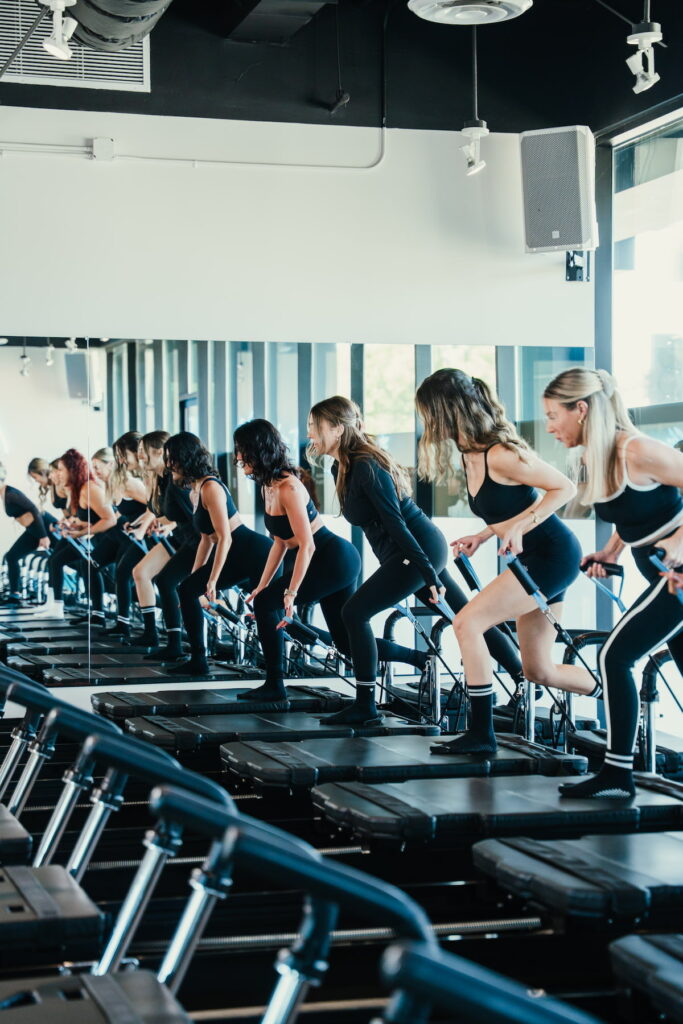
If you’re new, your first session shouldn’t feel overwhelming. A quality modern Pilates studio experience is typically designed to help you learn quickly and feel confident.
You can expect:
- Clear coaching and form cues to give you a clearer idea of why you’re doing something
- More options for beginners, returning clients, and advanced movers
- A focus on form before adding complexity
- A workout that feels challenging but doable for better results
Pro tip: Wear comfortable, fitted workout clothes so your instructor can better see alignment and help with form.
Is Modern Pilates Right for You?
Modern Pilates works best for people who are done with workouts that feel disconnected from their goals or their bodies. You’re looking for something that builds strength progressively, respects how your body actually works, and doesn’t leave you injured or burnt out.
Modern Pilates is a strong match if you want:
- A workout that builds lean strength and stability
- Low-impact training that still challenges you
- Better posture, mobility, and core support
- Coaching that feels approachable, modern, and motivating
- A plan you can commit to long-term (not a short-term fitness phase)
If your goal is sustainable strength, fewer aches and pains, and a workout you actually enjoy showing up for, modern Pilates is often the perfect fit.
Modern Pilates Frequently Asked Questions (FAQs)
Is modern Pilates still “real” Pilates?
Yes, modern Pilates keeps the foundational principles (control and alignment) but applies them through a contemporary lens. The difference is in how we coach, progress, and adapt to the bodies in front of us, not in abandoning the foundation.
Do I need experience to start modern reform Pilates?
No. Modern reform Pilates is designed to scale. Beginners often progress faster than in classical settings because the coaching is clearer and modifications are built in from the start.
How often should I do Pilates to see results?
You’ll notice shifts within a few sessions, in the form of better posture and more core awareness. For visible strength changes and lasting results, consistency matters, so it’s important to maintain a steady schedule because regularity beats intensity.
Start Moving Stronger at BE Fit
Modern Pilates isn’t mysterious or overly technical. You learn movements that build real strength, you progress as your body adapts, and you feel the difference in how you move through your day. At BE Fit, every class is designed around that clarity and progression.
The first step is simple. Show up, let our coaches meet you where you are, and experience what modern Pilates actually feels like. You’ll know within a few sessions whether this is the approach you’ve been looking for.
Schedule your first class at BE Fit Modern Pilates today.