

How Often Should You Do Reformer Pilates? A Straight Answer From Our Long Beach Studios
Most people should do reformer Pilates two to three times a week. If you want visible strength change on a faster timeline, three to four times a week works, as long as you keep at least one full rest day and you are not stacking hard sessions on top of a heavy training schedule elsewhere.
That is the honest answer, and it is the same one our instructors give at both Long Beach studios. It is not the answer that sells the most classes. It is the answer that keeps people showing up in month six instead of burning out in week three.
Here is how to find the right number for you, what changes at each milestone, and how to make a weekly cadence work in Long Beach.
How many times a week should you do reformer Pilates?
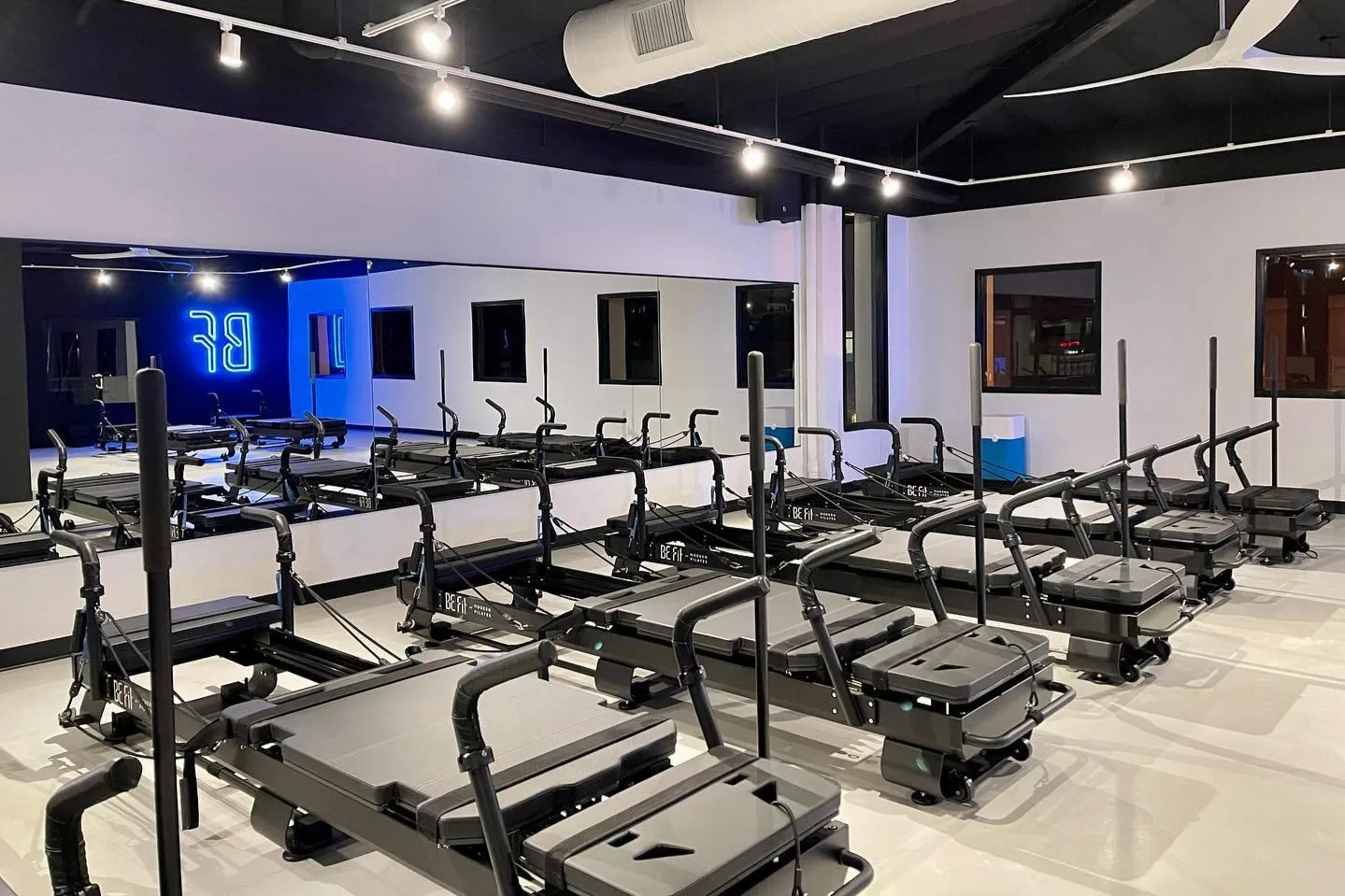
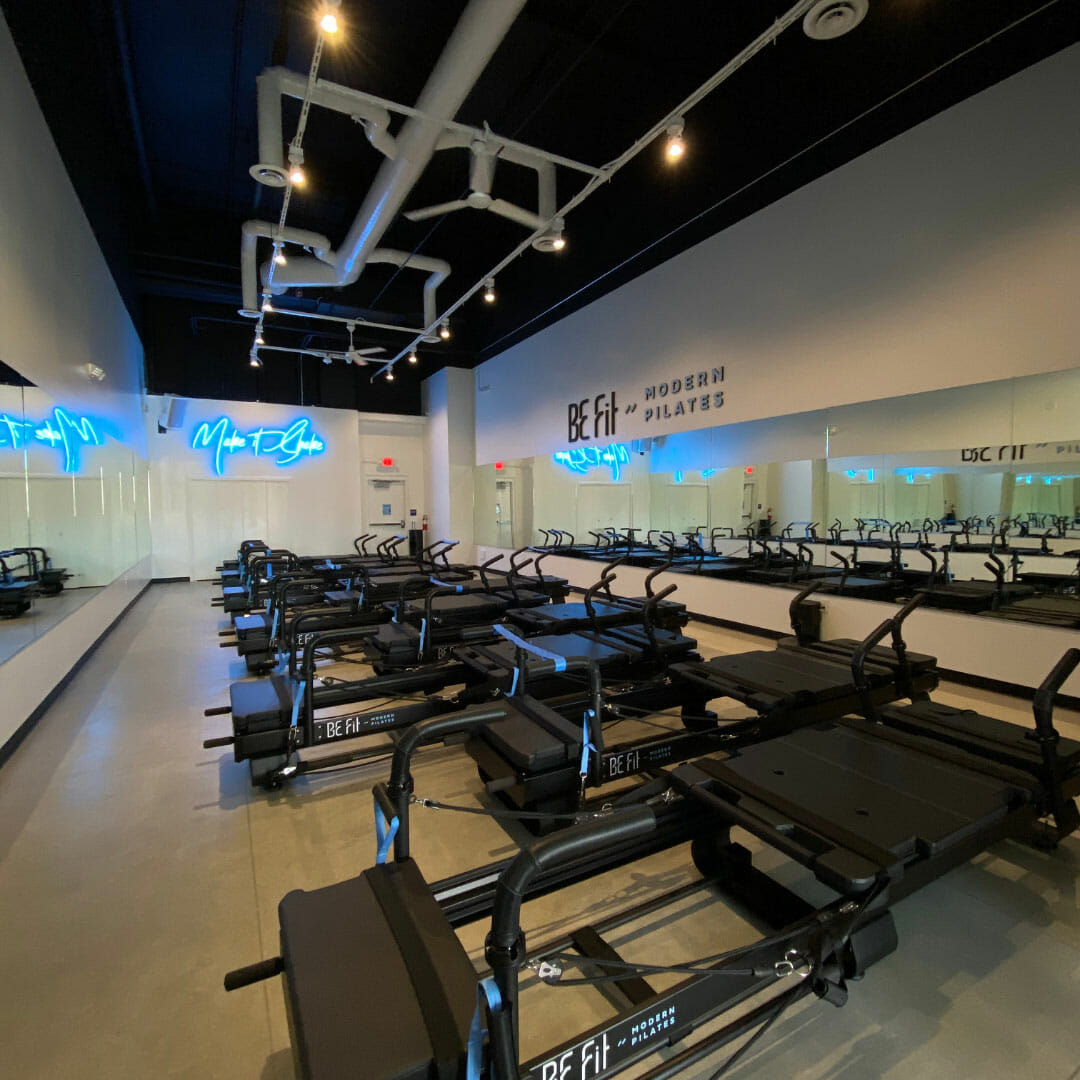
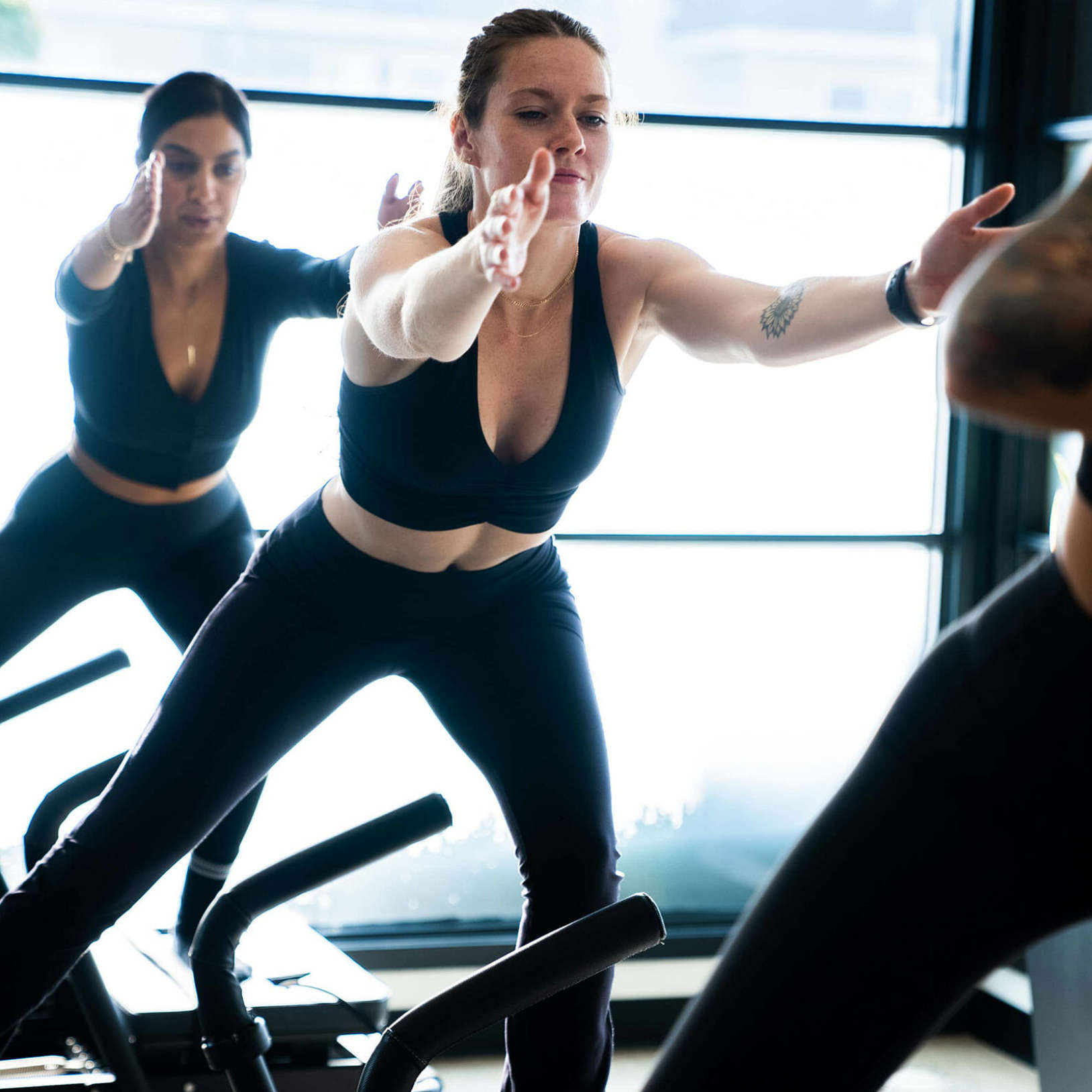
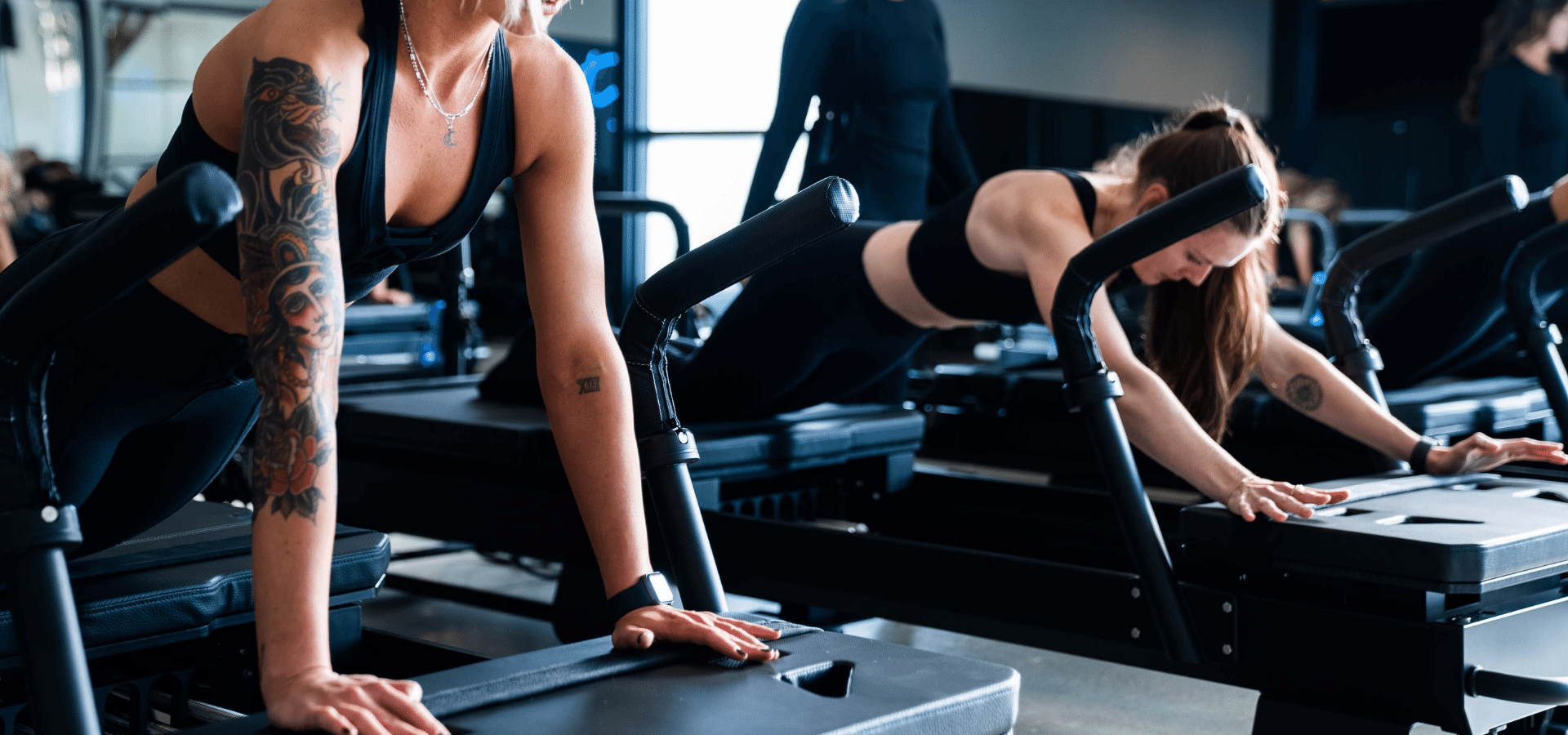
It depends on what you want out of it. A BE Fit class is 45 minutes of Slow Resistance Training on the XFormer®, which means constant tension, very little rest between movements, and real muscular fatigue by the end. It is high intensity and low impact at the same time, so your joints recover faster than they would from running or heavy lifting, but your muscles still need time to rebuild.
Use this as your starting point.
| Where you are | Classes per week | What that gets you |
|---|---|---|
| Brand new to the XFormer® | 2 | Time to learn the format and spring settings, build a baseline, and recover fully between sessions |
| General fitness and consistency | 3 | Steady strength gains, better posture and core control, a routine you can actually hold for a year |
| Visible strength and body composition change | 3 to 4 | Noticeable change in roughly 8 to 10 weeks when sleep and food are reasonably consistent |
| Athletes adding it to another sport | 2 to 3 | Core stability, single leg strength, and joint support without adding much recovery load |
Three is the number most of our members land on. It is frequent enough that your body adapts, and spread out enough that you can put a rest day between sessions without much planning.
What actually changes at 10 sessions, 8 weeks, and 6 months
People want a date. Fitness does not really work that way, but the pattern is consistent enough across our members that we can tell you roughly what to expect.
Around 10 sessions
This is where the class stops feeling confusing. You know the setup, you stop watching the person next to you, and you can hear a cue and adjust without thinking about it. Most of what changes in the first 10 sessions is coordination and control rather than muscle size. You will feel steadier in planks and lunges, and you will probably notice you are less sore after each class than you were after your first one. At two or three classes a week, 10 sessions takes about three to five weeks.
Around 8 weeks
This is the honest turning point. Eight weeks at two to three classes a week is roughly 20 to 25 sessions, and it is the window where members start telling us their clothes fit differently, their lower back stopped complaining at their desk, and they can hold the hard parts of class without dropping out early. Strength adaptations take about six to eight weeks to show up in a way you can see rather than just feel, which lines up with what we watch happen on the floor.
Around 6 months
By six months of consistent training, the workout has changed what you can do outside the studio. Carrying groceries up the stairs, keeping up on a bike ride around Alamitos Bay, standing through a long workday without your hips locking up. This is also where people stop tracking sessions and start treating class as part of the week, which is the point where it sticks.
If you want the detail on how strength actually builds in a class like this, we broke it down in our post on building muscle with XFormer® classes.
Making three classes a week work in Long Beach
Cadence is a scheduling problem more than a motivation problem. Most people who fall off do it because the class time stopped fitting their week, not because they stopped caring.
We run two Long Beach studios, and they solve different parts of the day.
2nd & PCH sits at the corner of Pacific Coast Highway and 2nd Street, across from Alamitos Bay. Classes start at 5AM, which is the move if you are getting on the 405 or the 710 before traffic sets in. It is also the studio our Belmont Shore, Naples, Peninsula, and Seal Beach members default to, and evening classes there tend to be the busiest of the week, so book ahead or get on the waitlist in the app.
LBX at 3850 Worsham Ave sits in the Long Beach Exchange, which puts it inside the Douglas Park and airport corridor office cluster. If you work over there, a midday class is the easiest third session of the week to protect, because nothing competes with it. Check the live schedule for current class times.
The part people miss: your membership or class pack works at every BE Fit location. If you live in Long Beach and work in Costa Mesa, that is not two studios, it is one schedule with more options. Same for anyone commuting to Newport Beach or down to San Diego. Three classes a week gets a lot easier when Tuesday can happen near your office and Saturday happens near your house.
Why we do not tell people to come every day
We could. Plenty of studios do. It is just not what produces results.
Muscle gets stronger during recovery, not during the class. Time under tension is the whole mechanism of the X-Perience, and that mechanism creates real muscular fatigue even though your knees and back are not taking impact. Train the same fatigued muscles daily and you get worse sessions, more nagging tightness, and eventually a week off you did not plan for.
There is also a quality problem. The value of a class like this is control, and control degrades when you are tired. Shaking because you are fatigued is not the same as shaking because you are working. Instructors can see the difference, and so can you, about two weeks later.
Frequently asked questions
Can you do reformer Pilates every day?
You can, but most people should not, and almost nobody needs to. Daily classes leave no recovery window, and strength is built during recovery. If you genuinely want to move every day, alternate class days with walking, easy cycling, swimming, or mobility work. If you are set on five or six classes a week, tell your instructor so they can help you vary intensity and avoid hammering the same muscle groups on consecutive days.
Is once a week enough to see results from reformer Pilates?
Once a week maintains what you have and keeps you familiar with the format, but it is slow going for real change. One session a week is usually not enough stimulus for your body to adapt, so progress stalls and each class keeps feeling like a hard first class. If once a week is what your life allows right now, keep it and add a second session when you can, even a shorter or lighter one. Two is the point where the curve turns.
How long does it take to see results from reformer Pilates?
Most people feel a difference in coordination and core control within three to five weeks, and see visible change around 8 to 10 weeks at two to three classes a week. Sleep, protein intake, and stress all move that timeline. The single biggest variable is consistency: 24 sessions spread evenly across eight weeks does far more than 24 sessions crammed into a motivated month followed by three quiet ones.
Do you need rest days between reformer Pilates sessions?
Yes, at least one full rest day per week, and ideally a day between sessions when you are starting out. Because classes are low impact, your joints handle back to back days better than they would with running, but the muscles still need repair time. A practical pattern for three classes a week is Monday, Wednesday, and Friday or Saturday. Two consecutive days is fine occasionally when your schedule demands it, especially if the second class targets different movement patterns.
Should beginners start with two or three classes a week?
Start with two. Give yourself three or four weeks at two classes a week to learn the machine, the spring changes, and how your body responds, then add a third. Beginners who start at three or four often feel great for 10 days and then hit a wall, because soreness compounds faster than fitness does at the beginning. Two is not the cautious option, it is the one that gets you to three without a setback. Our Getting Started guide walks through everything else for a first class, including grip socks and arrival time.
Pick your number and book it
If you take one thing from this: choose a realistic weekly number, put those classes in your calendar like meetings, and hold it for eight weeks before you judge the results. Two a week done consistently beats four a week done in bursts, every time.
Not sure where to start? Come to one class, tell your instructor you are building a routine, and ask what they would recommend for you. That conversation is free and it is the most useful 60 seconds you will spend. Browse the schedule at either Long Beach studio and pick your first two.